Geography Is Dead: How Smaller Cities Quietly Won the Remote Work Era

Photo: developer working remotely on laptop in small city cafe, via thumbs.dreamstime.com
The Map Got Redrawn, and Nobody Asked Silicon Valley's Permission
For decades, the unspoken rule in tech was simple: if you were serious about your career, you moved. You packed up, paid the rent in San Francisco or Seattle or Austin, and you showed up. The office was the career. The city was the credential.
Then 2020 happened, and that whole framework collapsed in about three weeks.
What followed wasn't just a temporary work-from-home experiment. It was a fundamental stress test of a belief system — the idea that physical proximity to a tech hub was a prerequisite for doing meaningful, well-compensated engineering work. The test results are in, and the belief didn't survive.
Developers in smaller cities had been quietly making this argument for years. Nobody was listening. Now everyone is.
What the Data Actually Showed
In the immediate aftermath of the pandemic shift, hiring patterns changed in ways that would have seemed impossible in 2019. Companies that had never hired outside their metro area suddenly had no choice but to build distributed teams. And something unexpected happened: it worked.
Engineering managers who were bracing for productivity drops started reporting the opposite. Developers who had spent years commuting two hours a day were suddenly putting that time into side projects, open source contributions, and skill development. The output quality didn't drop — in a lot of cases, it climbed.
More importantly, companies that started recruiting nationally — and then globally — discovered a talent pool they hadn't known existed. Developers in mid-sized cities across Turkey, Eastern Europe, Latin America, and Southeast Asia were not only available but eager. And because their cost of living wasn't pegged to a San Francisco zip code, the compensation math worked out differently too.
For developers in places like Eskişehir, a city of nearly a million people with a serious university presence and a growing technical community, this wasn't a surprise. It was validation.
The Distributed Team Is Now the Default, Not the Exception
Look at how the most competitive tech companies are hiring today. Stripe, GitLab, Automattic, Basecamp — these aren't fringe operations. They're influential, well-funded, and they've been running distributed-first engineering teams long enough to have figured out the playbook. Post-pandemic, their model stopped being the alternative and started being the template.
Smaller startups followed. Then mid-market SaaS companies. Then, reluctantly but inevitably, the enterprise players.
The result is a hiring landscape where a developer in a second-tier city — by American standards or any other — is no longer automatically filtered out of the applicant pool. The filter now is skill, communication, and portfolio. Zip code is increasingly irrelevant.
This shift matters enormously for developer communities outside the traditional hubs. It means that the work being done in groups like GDG Eskişehir — building technical skills, creating collaborative networks, contributing to open source — has a direct and immediate career payoff in a way it simply didn't before 2020.
Why Companies Are Actively Chasing These Markets Now
Here's something that doesn't get talked about enough: the remote work revolution didn't just benefit developers. It created a genuine competitive advantage for companies willing to look past the usual recruiting grounds.
Hiring in San Francisco or New York is expensive, slow, and increasingly competitive. The pool of available senior engineers in any given metro area is finite, and every well-funded startup is fishing in the same water. Companies that figured out how to recruit from underrepresented tech cities — and build the infrastructure to support those hires — gained access to talent their competitors were ignoring.
Some of this is showing up in explicit hiring strategies. Distributed-first companies now run recruiting campaigns specifically targeting developer communities in cities that aren't on the traditional radar. They sponsor local meetups. They show up at regional tech events. They know that a developer who's been active in a local GDG chapter, who's been building things and teaching others and contributing to the community, is exactly the kind of person they want on a team.
The community infrastructure matters. It's a signal.
The Part That Doesn't Get Romanticized Enough
There's a version of this story that's pure triumph — the scrappy developer from a small city who logs on and competes with the best in the world. And that story is real. But there's a less glamorous part worth acknowledging.
Remote work doesn't automatically level the playing field. Developers in smaller cities still face challenges around access to mentorship, visibility, and the kind of informal networking that happens when you run into the right person at a coffee shop in SoMa. The serendipity of proximity is genuinely hard to replicate over Slack.
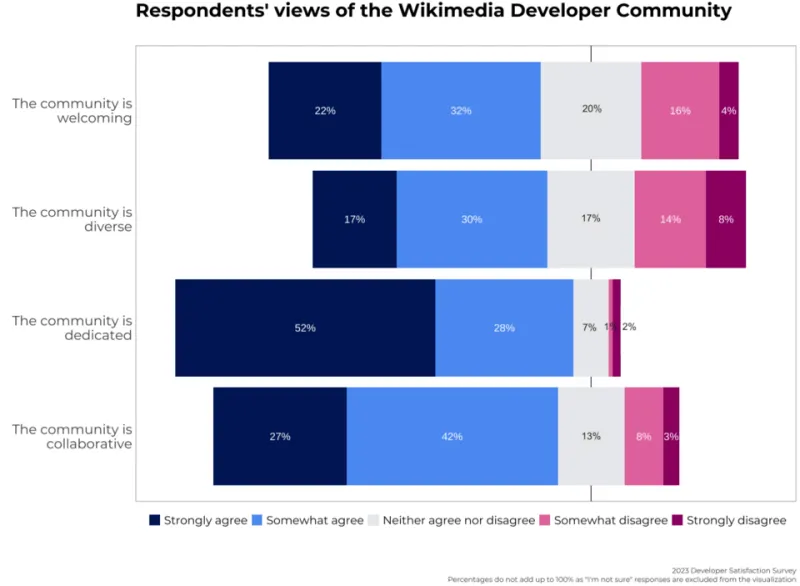
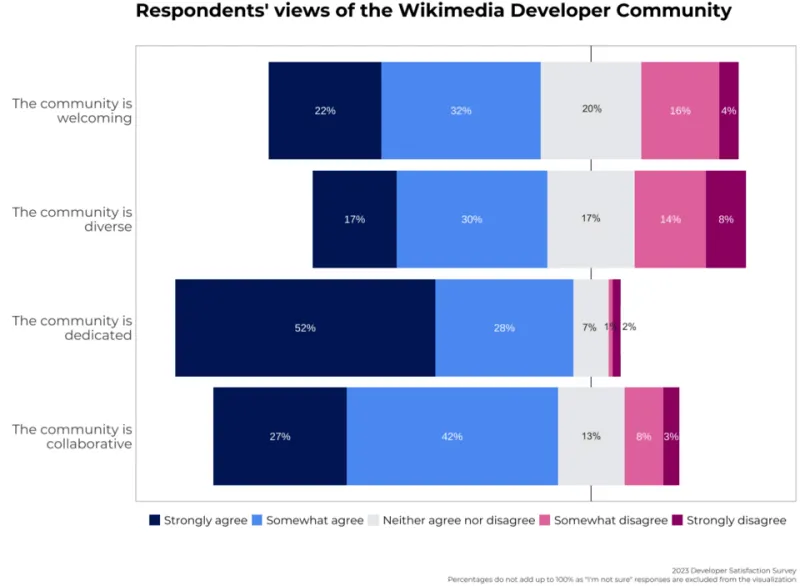
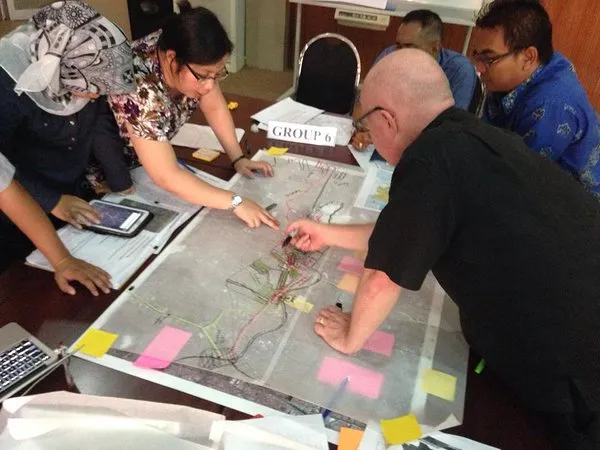
This is exactly why local developer communities matter more now, not less. When the career ladder is remote, the support structure has to be local. The people who help you debug your portfolio, who tell you which companies are actually good to work for, who push you to apply for that role you think is out of reach — those people need to be physically near you, or at least in your time zone.
Community isn't a nice-to-have. In a remote-first world, it's infrastructure.
What This Means Going Forward
The geography of tech talent has been permanently disrupted. That's not a prediction anymore — it's a description of what already happened. The companies that adapted early are ahead. The developers who positioned themselves in strong local communities, built transferable skills, and learned to work across distributed teams are the ones fielding the most interesting opportunities right now.
For anyone still operating under the old mental model — that you have to be in the right city to have the right career — the evidence says otherwise. The remote dev revolution didn't start in San Francisco. It started in the places San Francisco wasn't paying attention to.
Places, it turns out, like here.