Forget Silicon Valley: The Smartest Brand Play for Tech Companies Is Funding Developers Nobody Else Is Chasing
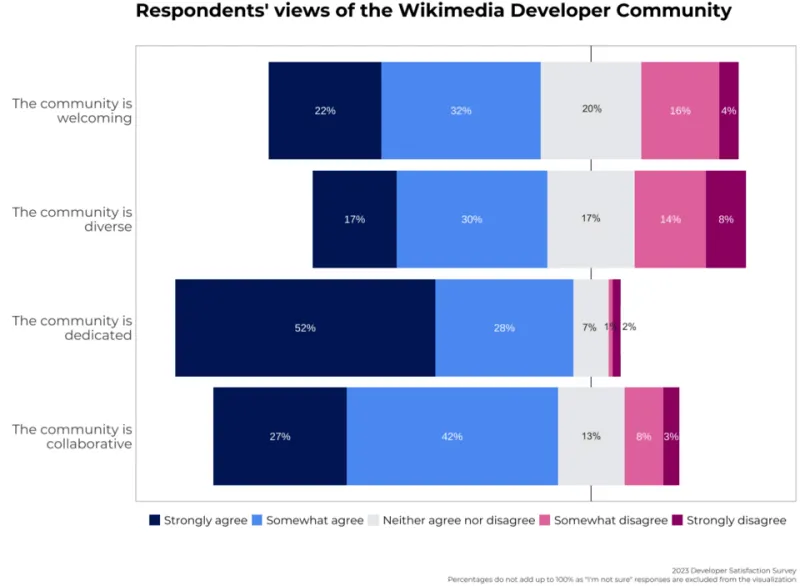
Photo: CMyrick-WMF and HGhani-WMF, CC BY-SA 4.0, via Wikimedia Commons
The Talent Pool Nobody's Fishing In
Let's be honest about something: the race to hire in major tech hubs has gotten kind of absurd. Recruiters are cold-messaging the same developers on LinkedIn, companies are outbidding each other for talent in cities where a studio apartment costs more than a car, and everyone's wondering why retention numbers look so grim. Meanwhile, in places like Eskişehir, Turkey — or Boise, Idaho, or Chattanooga, Tennessee — developer communities are quietly growing, producing skilled engineers who aren't getting bombarded with competing offers every Tuesday morning.
This is the part of the story that most startup founders and marketing leads tend to skip right past. And honestly? That's fine. Less competition for the rest of us.
GDG (Google Developers Group) chapters exist in hundreds of cities worldwide, including plenty of places that don't make it onto anyone's "top tech cities" list. These aren't hobbyist meetups. They're organized, recurring communities of serious developers — people building real things, learning cutting-edge tools, and actively looking for ways to grow professionally. They just happen to be doing it somewhere other than SoMa or Midtown Manhattan.
What "Sponsorship" Actually Looks Like Here
When most companies hear "sponsor a developer group," they picture slapping a logo on a banner and calling it a day. That's not what we're talking about. Authentic community sponsorship in a tier-2 city context looks different — and it works better precisely because it's different.
In smaller cities, a sponsor isn't just a logo. They're a presence. When a company invests in a local GDG chapter — covering venue costs, funding workshops, providing API credits or cloud resources for hackathons — that investment is visible and personal in a way it simply can't be at a massive conference in Austin or Seattle. Developers remember who showed up when the community was still scrappy. That kind of brand memory is nearly impossible to buy at scale.
Companies like JetBrains, Twilio, and various cloud providers have quietly been doing exactly this for years. They sponsor events in cities where their logo genuinely stands out, where the developer-to-sponsor ratio means their team members actually have conversations instead of manning a booth that 2,000 people walk past without stopping.
The Loyalty Equation
Here's a dynamic that doesn't get discussed enough in developer marketing circles: brand loyalty formed in a community setting is remarkably sticky. A developer who learned to use your product at a GDG workshop in a mid-size city — where your company's representative actually answered their questions, maybe even debugged something with them — is not the same customer as someone who downloaded your free tier after clicking an ad.
That first developer is going to recommend your tool in Slack channels. They're going to write the blog post. They're going to push for adoption at their company. And critically, they're going to do it because they feel a genuine connection to your brand, not because they saw a retargeting ad seventeen times.
This is the ROI that's hard to put in a spreadsheet but very easy to see over a two-to-three year horizon.
A Practical Framework for Getting Started
If you're a startup or a mid-size tech company thinking about this seriously, here's a simple way to think about it:
Start with one chapter, not a network. Pick a GDG or similar developer community in a city that aligns with a talent market you're trying to build in, or a region where you want to grow product adoption. Commit to that community for at least six months before evaluating anything.
Send a human, not just a check. The companies that get the most out of community sponsorship are the ones that show up. Send an engineer to give a talk. Have a developer advocate join a workshop. The budget for one flight and a hotel is trivial compared to the relationship value it generates.
Offer something useful, not just branded swag. Free tool access, mentorship hours, resume reviews, technical workshops — these are things that create real value for developers and build real goodwill for your brand. Stickers are fine, but they're not the point.
Think in years, not quarters. Community trust compounds slowly and erodes fast. If you treat a developer group like a one-time media buy, you'll get one-time results and probably leave a bad taste behind. The companies winning in this space are playing a longer game.
The Bigger Picture
There's something genuinely exciting happening in tech communities outside the major hubs right now. Developers in cities like Eskişehir aren't waiting for permission to build, learn, or contribute. They're organizing, collaborating, and growing their skills in communities that are, in some ways, more tight-knit and more motivated than anything you'd find in a city where everyone's just trying to get to the next funding round.
For companies willing to look past the obvious markets, that's not a consolation prize. That's an opportunity. The brands that figure this out early are going to have a meaningful head start on talent pipelines, product advocates, and community goodwill that their competitors will spend years trying to replicate.
The tier-2 city isn't the fallback option. Increasingly, it's the smart move.